
 Silco Plumbing
What Does a Water Heater Replacement Cost?
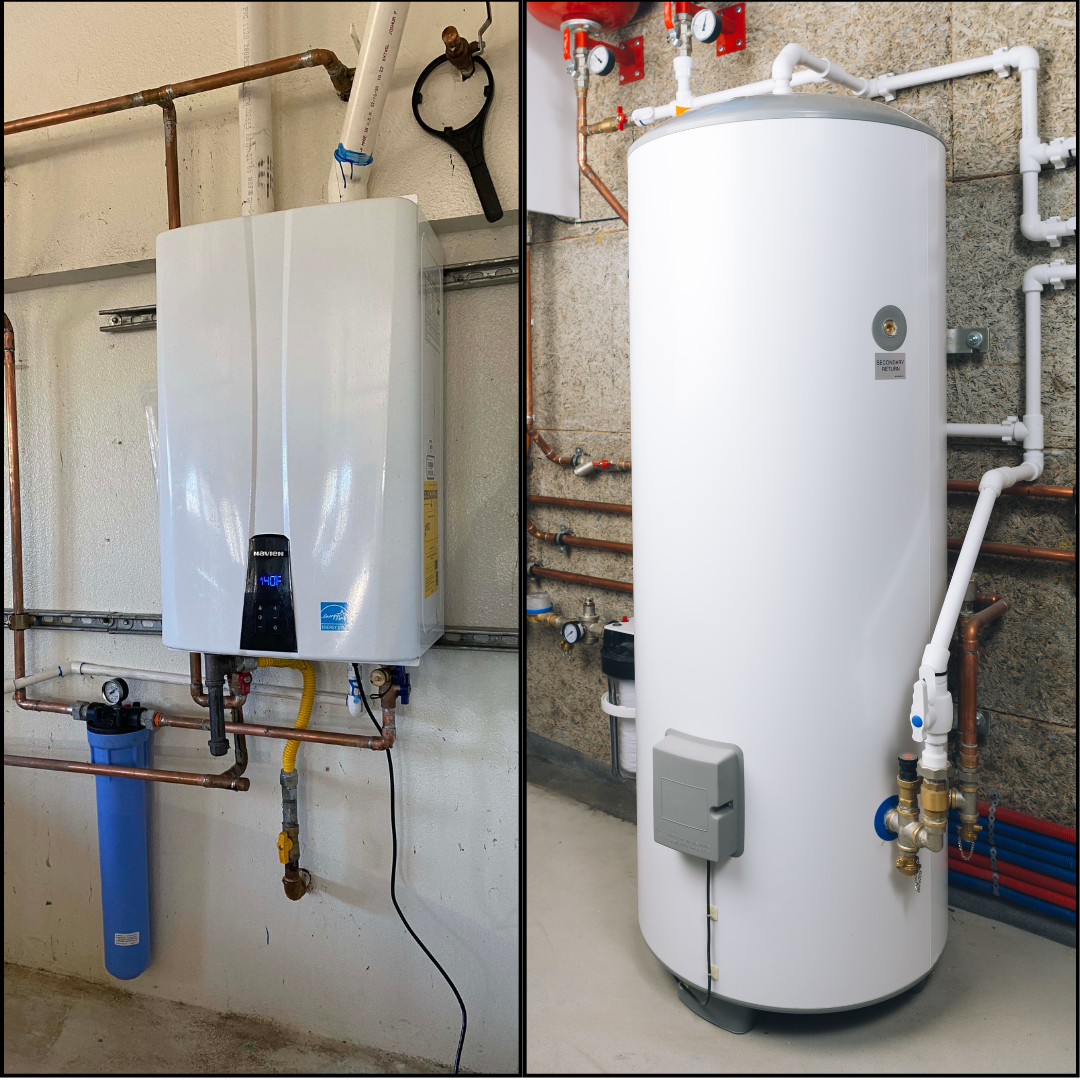
If your water heater is leaking, leaving you without enough hot water, or simply getting old, one of your first questions is probably: “How much will a new water heater cost?”
There isn't one price that fits every home. In Kalispell and throughout the Flathead Valley, two homeowners can have the same size water heater and still have very different replacement costs.
That's because the job depends on the heater, the home, and how the existing system is installed.
Here are the five biggest things that affect the cost.
1. The Size of Your Water Heater
Most residential tank water heaters are 40 or 50 gallons, with some homes using larger tanks. A larger tank generally costs more to purchase, move, and install. If you're not sure what size you have, don't worry. It's one of the easiest things for us to help you identify when you call.
2. Gas or Electric
Gas and electric water heaters are installed differently, so the type you have can change what the replacement involves and what it costs. When you call, let us know whether your water heater is gas or electric, if you know. That gives us a much better starting point.
3. Where Your Water Heater Is Located
This is one of the biggest reasons two otherwise similar replacements can have different prices. A water heater sitting in an open basement with plenty of room around it is usually a straightforward job. A heater in a small closet, behind other appliances, or up or down stairs can take considerably more time and effort.
Why does a tight space cost more?
The old tank has to come out, and the new tank has to get into the same space. If access is difficult, moving the equipment safely can take more time and labor. That isn't about padding the quote—it's simply a harder installation.
Same tank. Different house. Different job.
One homeowner may have a 50-gallon tank sitting in an open basement. Another may have the same tank wedged into a closet at the top of a stairway. It's normal for those two replacements to have different prices.
4. Whether the Installation Needs to Be Brought Up to Current Code
Many homes around Kalispell were originally plumbed decades ago. An installation that met the requirements when it was done may not meet today's code requirements.
If your existing setup needs updates to bring the installation up to current code, those changes can add to the cost. A new water heater connected to an installation that doesn't meet current requirements isn't a complete replacement.
5. Upgrades That May Be Required—or May Be Worth Considering
Depending on your home, your water heater, and your water quality, there may be additional components that need to be installed or that you may choose to add during the replacement.
Common items that may come up. Why they may matter:
- Expansion tank. May be needed depending on the plumbing system.
- Water heater booster. Can increase available hot water in some situations.
- Thermostatic mixing valve. Can help manage hot-water temperature.
- Hot-water scale protection. Can help address mineral scale associated with hard water.
What About Hard Water and Scale?
Hard water can leave mineral scale inside a water heater. Hard water is common in the Flathead Valley, so water quality can be an important part of the conversation when you're replacing a heater. The right approach depends on your home's water and the system you choose.
If Your Water Heater Is Leaking
A water heater that is leaking is a different situation from one that simply isn't making enough hot water. If you see water around the base of the tank, tell us when you call. That information can help us understand what you're dealing with before we arrive.
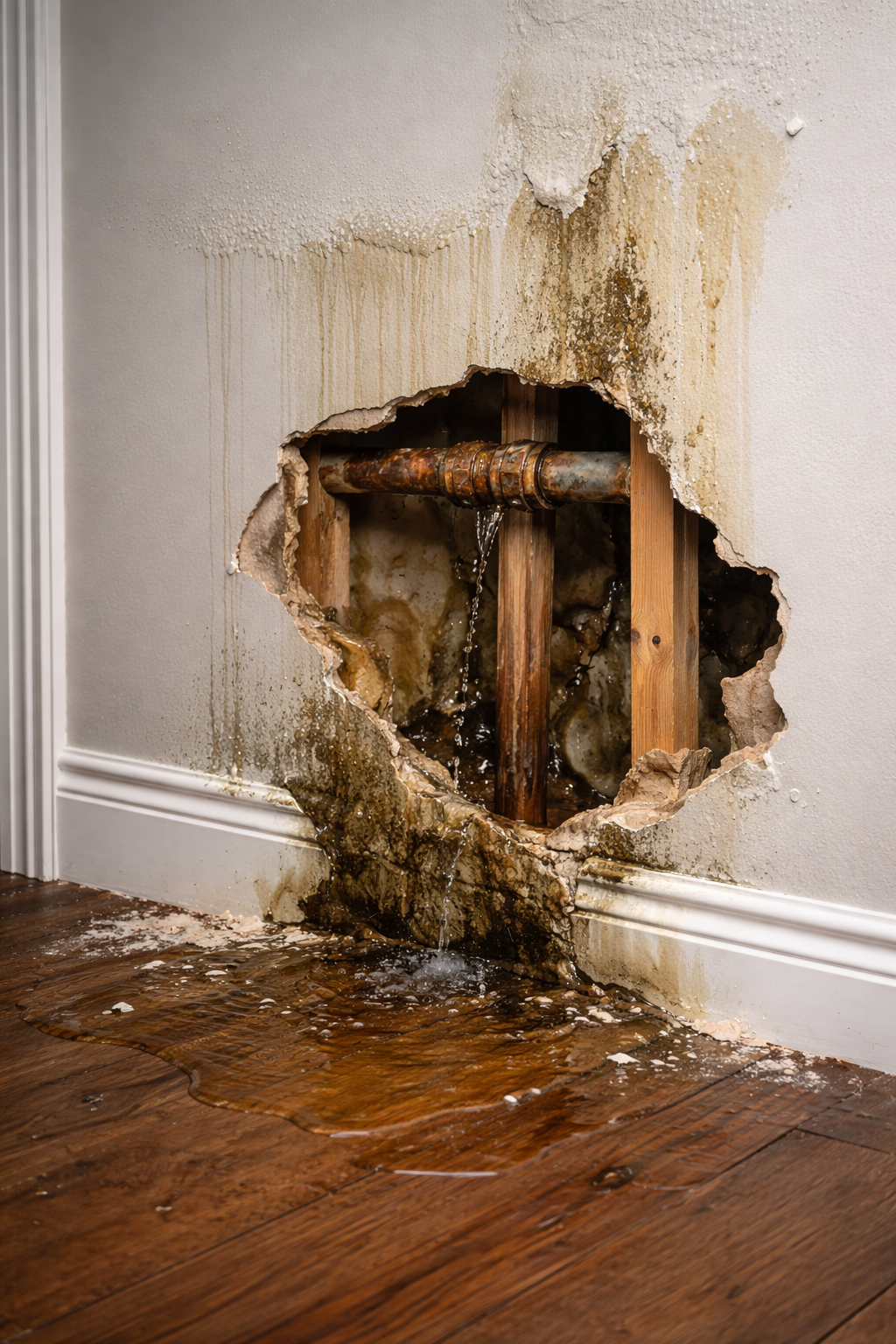
If water is showing up somewhere away from the heater, it may be a separate plumbing leak. A slow leak can sometimes hide under a floor, behind drywall, or in a crawl space.
What Should You Have Ready When You Call?
You don't need to know everything about your water heater. Just tell us what you can see. If you have these details, they can help us give you a useful answer faster:
- What it's doing: no hot water, not enough hot water, leaking, making noise, etc.
- The size of the tank, if you know it
- Whether it is gas or electric
- Where the heater is located and whether stairs or tight access are involved
- Approximately how old the heater is
- The serial number off the current unit if possible
- Photos of the unit ready to send over
Should You Repair or Replace It?
Not every water heater needs to be replaced. Whether a repair makes sense depends on the age and condition of the unit and what has failed. The best way to answer that question is to have the heater inspected and diagnosed.
Can You Get an Exact Replacement Price Over the Phone?
Usually, not down to the dollar. The final cost depends on the five factors above, and some of those details may need to be seen in person. But you can still call us and get a straightforward conversation about what may affect the price of your particular replacement.
Can I Just Swap the Tank and Leave Everything Else Alone?
Sometimes. Sometimes not. What else needs to be changed depends on how your existing water heater was installed and whether the installation needs to be updated for the replacement.
Water Heater Replacement in Kalispell & the Flathead Valley
Silco Plumbing helps homeowners with water heater replacement in Kalispell, Columbia Falls, and surrounding areas—from open basements to tight closets and everything in between.
Have questions? Ask us. You don't have to figure out what's wrong before you call, and you can send a message instead of calling.
406-471-1851 | silcoplumbingmt.com